In the competitive legal landscape, every call counts. Yet, many law firms still grapple with the high costs and inefficiencies of managing client inquiries. The question isn't just about answering the phone; it's about doing so efficiently, affordably, and effectively. This is where the debate between an ai receptionist law firm solution and a traditional virtual receptionist truly comes into focus. For a law firm, the difference in cost savings and operational efficiency can be staggering. For a complete overview of this technology, see our Complete Guide to AI Receptionists.
Legal practices, from solo attorneys to mid-sized professional service firms, face unique challenges. They need to provide a professional, empathetic first point of contact, qualify leads, schedule appointments, and manage administrative tasks—all while focusing on billable hours. Missed calls or poor initial interactions don't just represent lost opportunities; they can damage a firm's reputation and bottom line. Understanding which reception solution delivers the most value is crucial for modern legal businesses.
The Cost of Missed Connections in Legal Practice
For law firms, a missed call is often a missed client. Prospective clients seeking legal advice are often in urgent situations and will quickly move to the next firm if their call isn't answered promptly and professionally. This immediate loss of potential revenue is just one part of the problem.
Beyond lost leads, inefficient call handling ties up valuable administrative staff. Your paralegals and legal assistants should focus on case work, not spending hours answering repetitive questions, routing calls, or playing phone tag. The opportunity cost of these tasks can be substantial, directly impacting your firm's productivity and profitability.
Poor client communication also contributes to negative client experiences, which can lead to bad reviews and a damaged reputation. In an industry built on trust and responsiveness, a firm cannot afford to appear inaccessible or disorganized. Discover more about how these issues impact your business in our post on the cost of missed calls.
Introducing the AI Receptionist Law Firm Solution
An AI receptionist is a sophisticated, automated system designed to handle incoming calls, qualify leads, answer FAQs, and even schedule appointments. Unlike simple answering machines, these AI-powered systems use natural language processing (NLP) to understand and respond to client inquiries in a conversational, human-like manner.
For a law firm, an AI receptionist can manage initial client intake, collect crucial information, and route urgent calls to the appropriate attorney or staff member. It operates 24/7, ensuring no potential client ever encounters a busy signal or voicemail, regardless of when they call.
This solution offers unparalleled consistency and scalability. It's trained on your firm's specific information, ensuring every interaction aligns with your brand and legal specializations. Learn more about how this technology can transform your practice at our AI receptionist service page.
Free Resource
Free Call Script Pack
Calculate your missed-call revenue loss and get 12 proven call scripts for AI receptionists.
Download FreeThe Traditional Virtual Receptionist Approach
A virtual receptionist service employs human agents who work remotely to handle your firm's calls. These professionals are trained to answer phones, provide basic information, transfer calls, and take messages. They offer a human touch and can often adapt to more complex or unusual requests than a basic automated system.
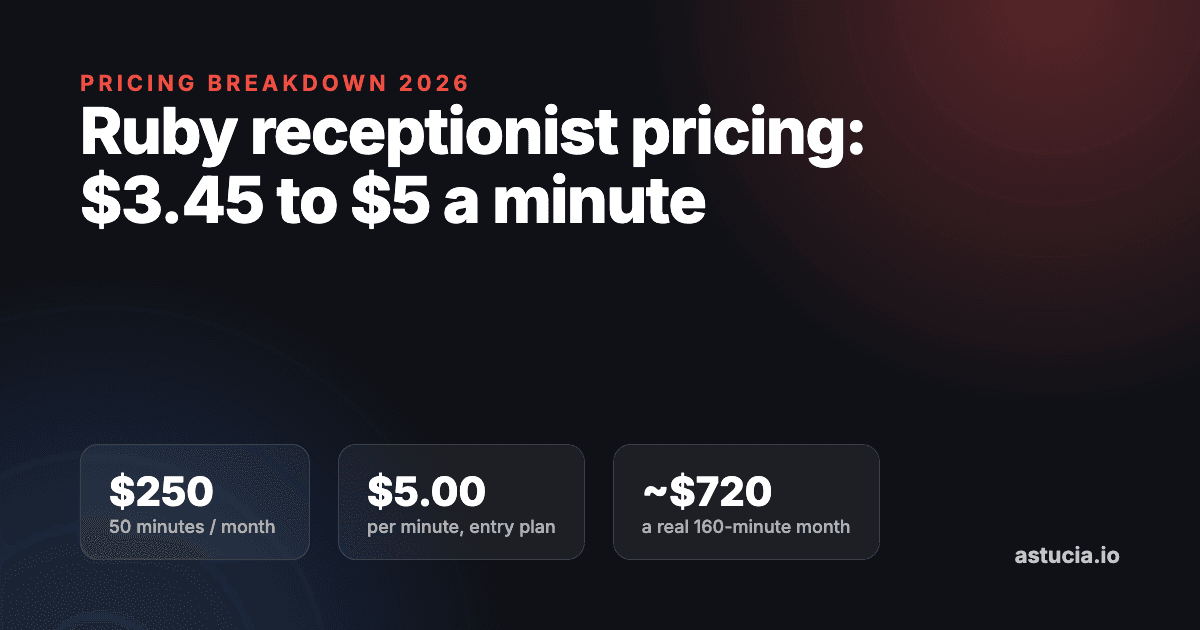
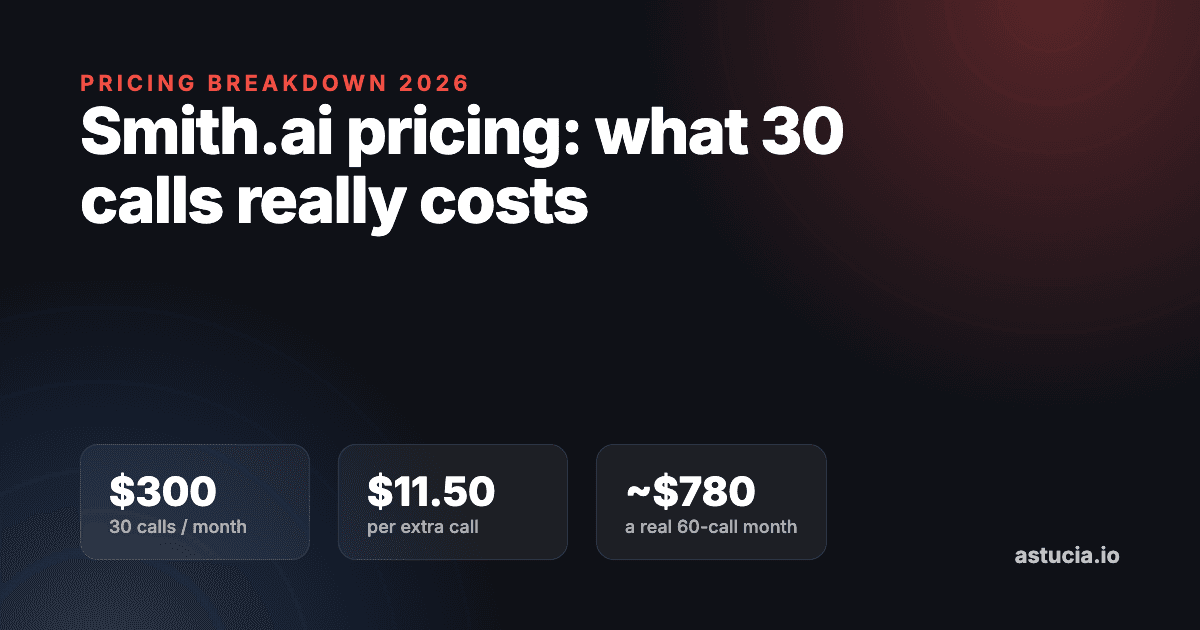
While offering a personal touch, virtual receptionists come with inherent limitations. Their availability is typically restricted to business hours, or expanded hours at a premium. Costs are usually per-minute or per-call, which can quickly escalate with high call volumes. Scaling up requires adding more human agents, which isn't always immediate or cost-effective.
The quality of service can also vary between agents, and human error is always a factor. While valuable for certain scenarios, the traditional model faces challenges in matching the efficiency and cost-effectiveness of AI. For a deeper comparison, read our article on AI receptionist vs. answering service.
Key Differences: AI vs. Human-Powered Virtual Receptionists
When comparing these two solutions, several critical distinctions emerge that directly impact a law firm's operational budget and client experience.
- Cost Structure: AI receptionists typically operate on a fixed monthly subscription, offering predictable expenses. Virtual receptionists often charge per minute, per call, or per service, leading to variable and often higher costs, especially for busy firms.
- Availability: AI operates 24/7/365 without breaks, holidays, or sick days. Virtual receptionists are limited by human working hours, even if extended, potentially leaving gaps in coverage.
- Scalability: AI systems can handle an unlimited number of concurrent calls without any degradation in service or increased cost per call. Scaling a virtual receptionist service means hiring more people, which takes time and money.
- Consistency: AI provides a perfectly consistent message and information delivery every single time. Human virtual receptionists, while professional, can have slight variations in their approach or information recall.
- Error Rate: AI, once programmed and tested, has a near-zero error rate for routine tasks. Human receptionists, even the best, are susceptible to human error.
- Customization Integration: AI can be deeply integrated with your existing CRM, scheduling software, and case management systems, offering seamless data flow. Virtual receptionists typically have more limited integration capabilities.

Unlocking Significant Savings for Your AI Receptionist Law Firm
The most compelling argument for an AI receptionist for a law firm often comes down to cost. Hiring an in-house receptionist involves salary, benefits, training, and office space—expenses that can easily exceed $50,000 annually. A virtual receptionist service, while cheaper than in-house, can still run into thousands per month, especially for a busy firm.
"AI isn't just a tool; it's a strategic partner for law firms looking to streamline operations, reduce overhead, and enhance client service without compromising quality."
An AI receptionist, in contrast, offers a fraction of these costs. With a predictable monthly fee, you get 24/7 service, unlimited call handling, and advanced features that would be prohibitively expensive with human staff. This allows firms to reallocate significant budget towards core legal work or client acquisition, rather than administrative overhead. The impact of AI on the legal industry is profound, as highlighted by Forbes, stating that AI is transforming the legal industry by enhancing efficiency and access to justice.
Beyond direct cost savings, consider the efficiency gains. An AI receptionist can instantly qualify leads, gather necessary information, and schedule appointments without human intervention. Some firms pair their AI receptionist with an AI chatbot for law firm lead qualification on the website, creating a full intake funnel that filters unqualified prospects before they ever reach your calendar. This frees up your legal team to focus on billable work, maximizing your firm's revenue potential. For a detailed look at what AI receptionist services actually cost, see our 2026 AI receptionist pricing breakdown.
Beyond Answering Calls: Enhanced Client Experience and Productivity
The benefits of an AI receptionist extend far beyond mere cost reduction. It significantly enhances the client experience by providing immediate, professional responses around the clock. Clients appreciate the ability to get their questions answered or schedule a consultation instantly, even outside traditional business hours. This level of accessibility sets your firm apart.
For your team, the impact on productivity is immense. Imagine never having to worry about missed calls, manual call routing, or managing a complex appointment book again. An AI receptionist seamlessly integrates with your existing scheduling software, ensuring your calendar is always up-to-date and conflicts are avoided. This allows your staff to dedicate their time to high-value legal tasks, improving overall firm efficiency and morale.
Ready to Optimize Your Firm's Front Office?
The choice between an AI receptionist and a virtual receptionist hinges on your firm's priorities. If predictable costs, 24/7 availability, unparalleled scalability, and consistent service are paramount, an AI receptionist is the clear winner for saving more money while elevating your client experience. It's an investment in your firm's future efficiency and profitability. Discover how Astucia can tailor an AI receptionist solution to meet your law firm's specific needs. Book a consultation today to see the difference firsthand.
Keep Reading
- Complete Guide to AI Receptionists — Everything you need to know about AI receptionists for small business
- AI Receptionist vs Answering Service: Which Is Better? — A detailed comparison of 7 key differences to help you make the right call
- How Much Does an AI Receptionist Cost? 2026 Pricing Breakdown — Transparent pricing breakdown so your firm can budget with confidence
- How Law Firms Use AI Chatbots to Qualify Leads Before the First Call — Automate your intake funnel and eliminate wasted consultations